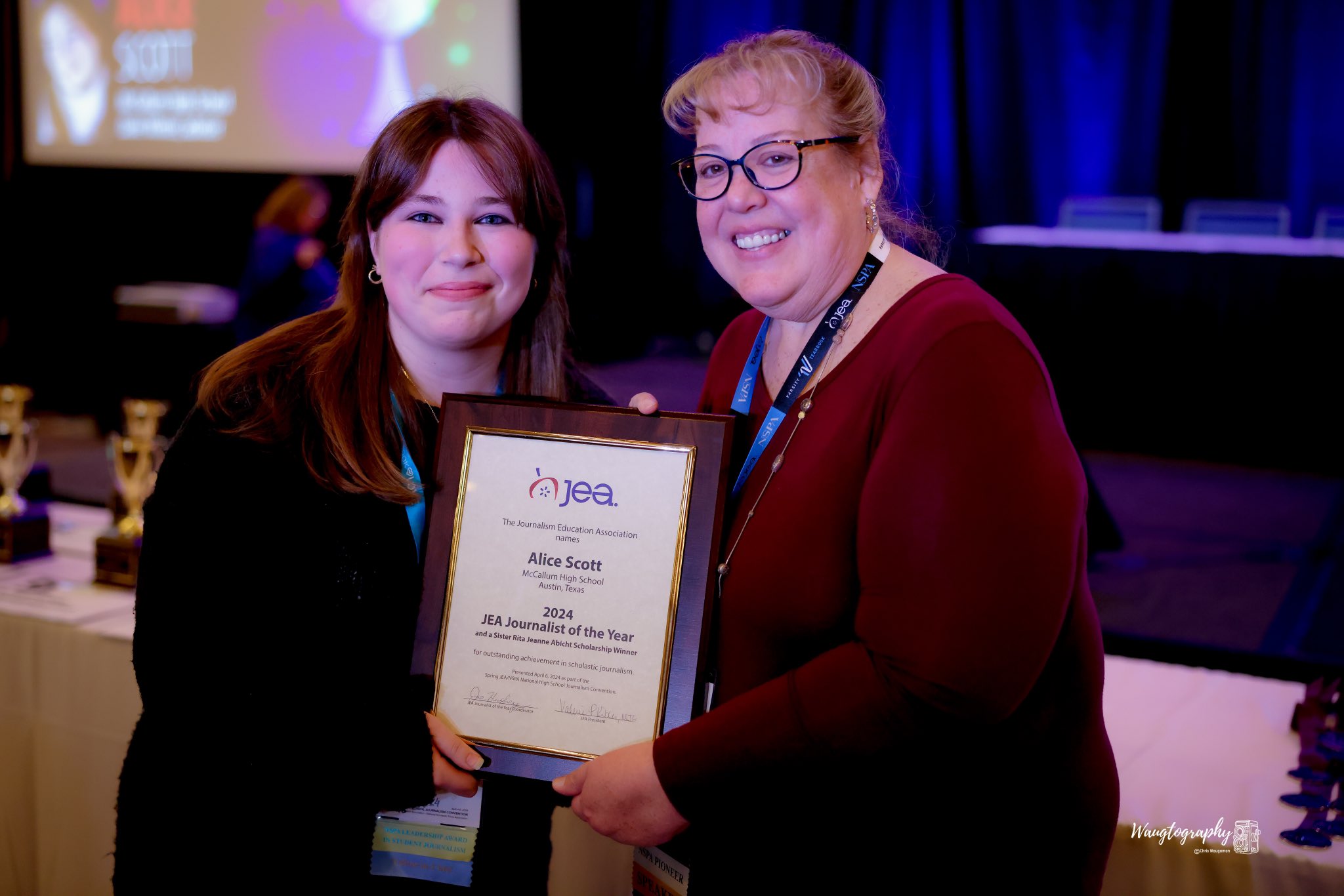
At 12 years old, I wrote my first news story. I’d joined my middle school’s broadcast news station on a whim to fill an elective requirement, but it quickly took hold of me.
Every week, I’d watch the newest episode of our show as it aired to the entire school during homeroom. But I didn’t watch as the segments played on the projector screen — I’d already seen them when compiling the episode together the day before. Instead, I tuned in to my classmates and watched their reactions to the stories being told.
It was then that I learned my first important lesson about journalism — one that would fuel the trajectory of my future work. It was then that I learned that my stories could have an impact on my community. That stories, at their best, can change lives.
I never looked back.
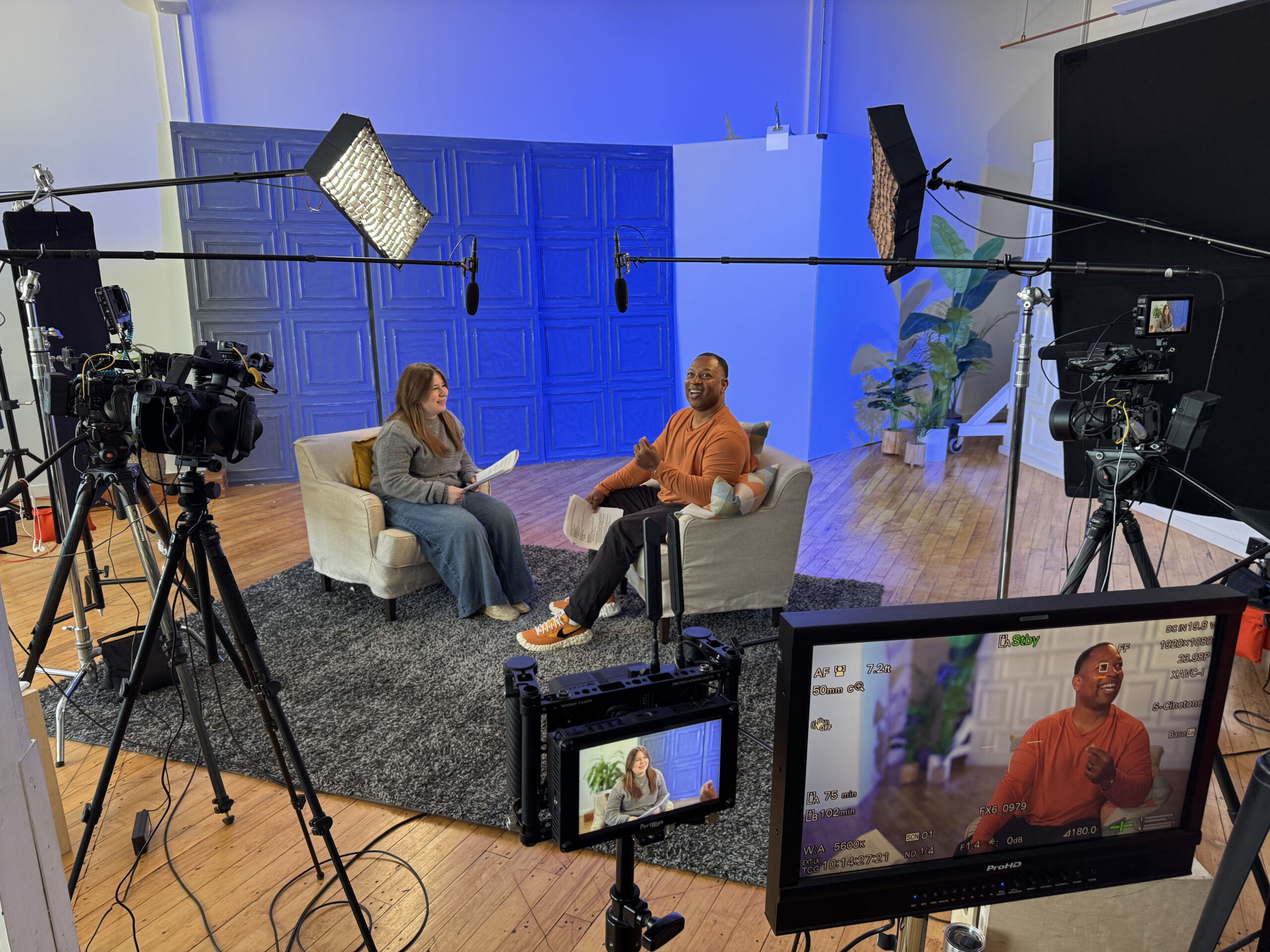
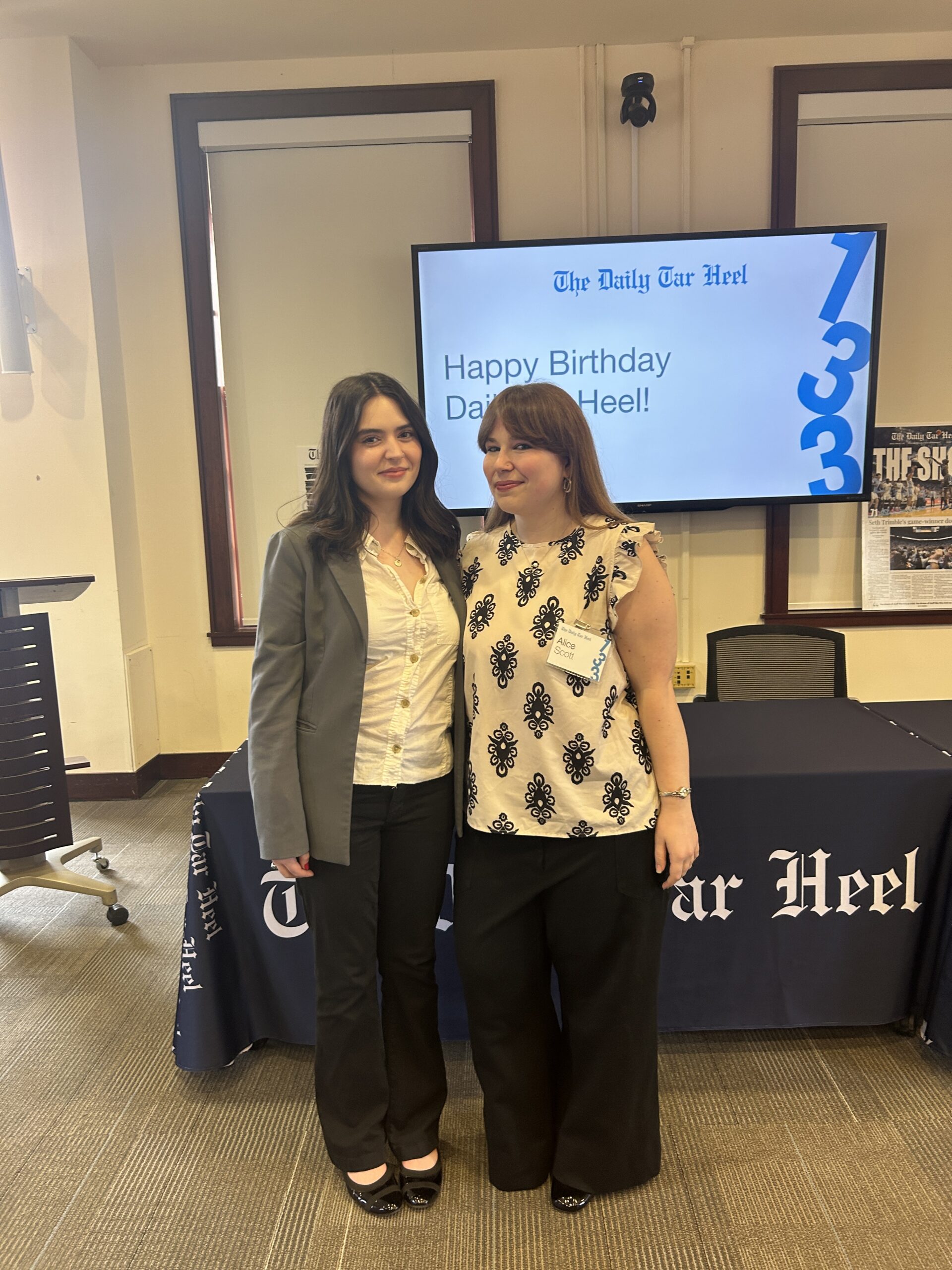
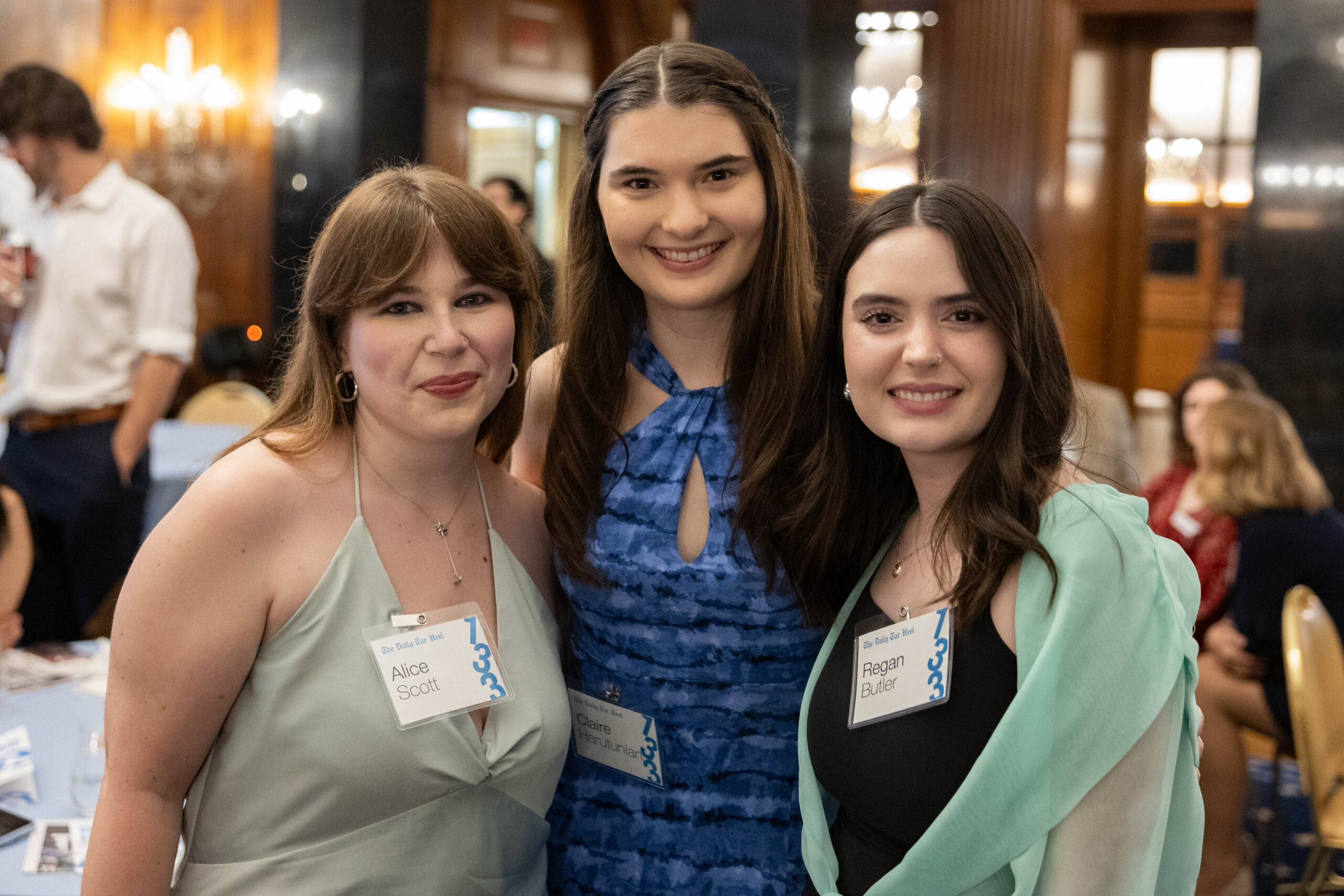
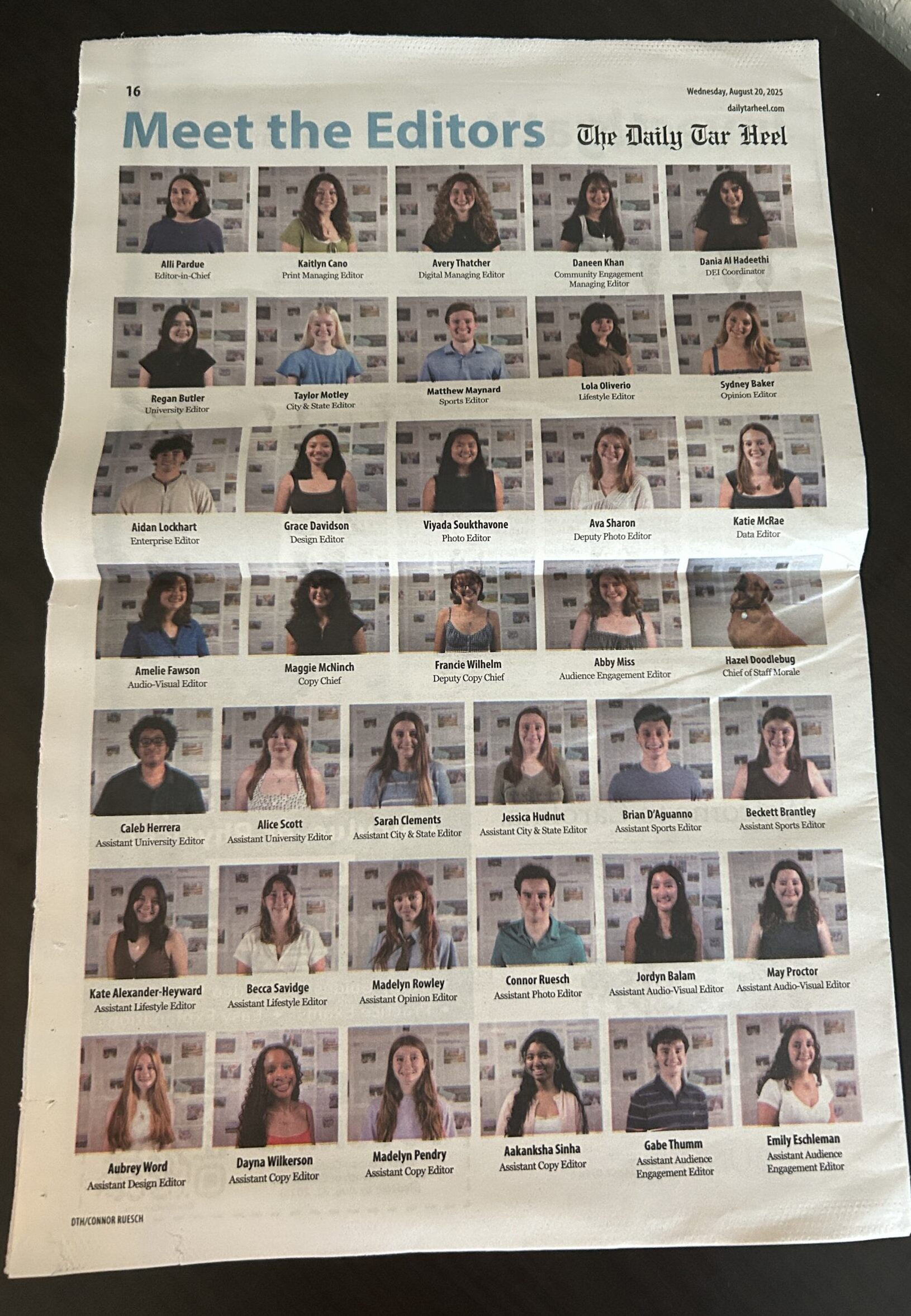
I’m now a sophomore at the University of North Carolina at Chapel Hill, where I serve as The Daily Tar Heel’s assistant university editor. I’m also a reporter for UNC’s student news radio show, Carolina Connection, which airs weekly on WCHL, the oldest broadcaster in Chapel Hill.
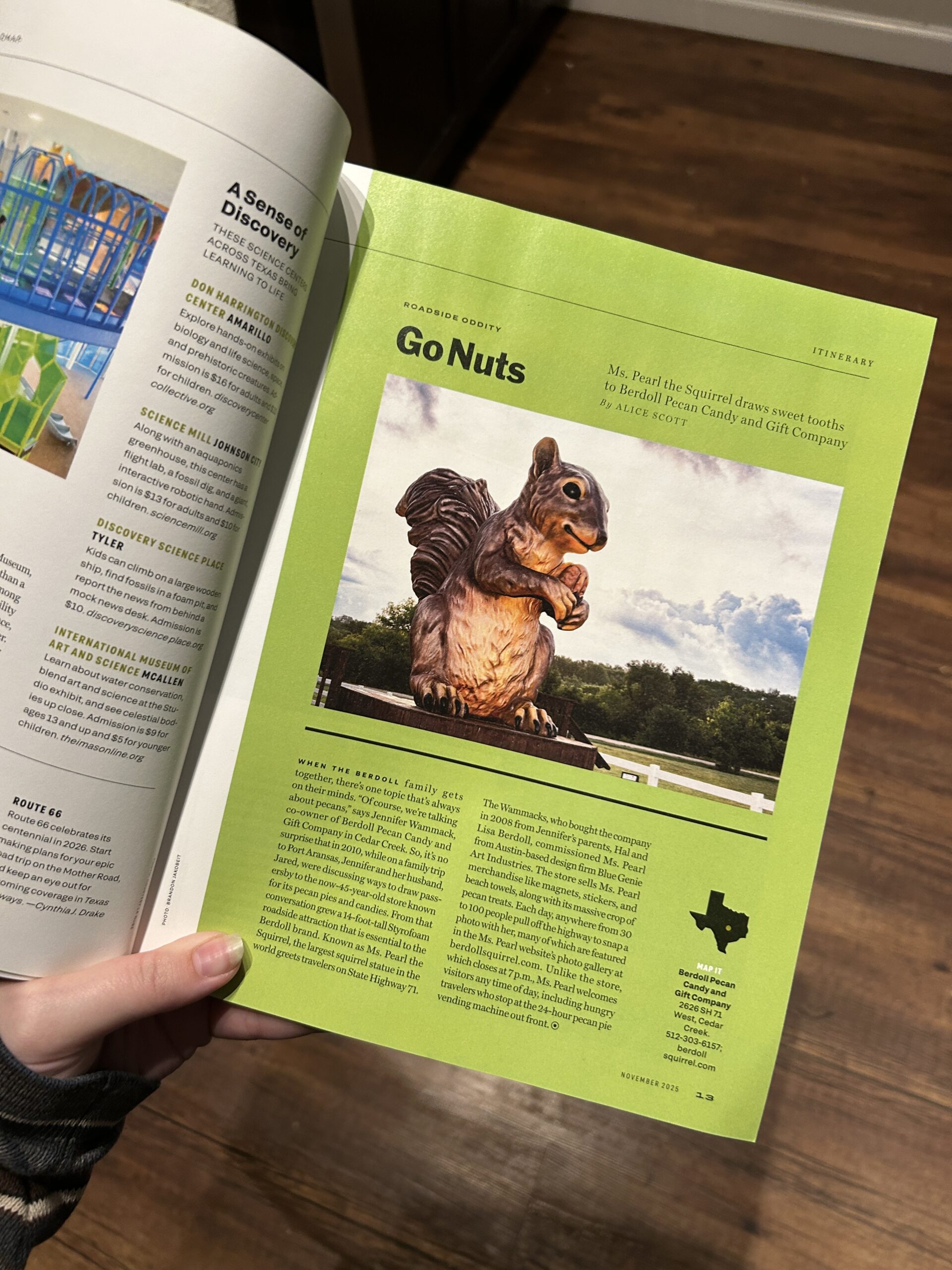
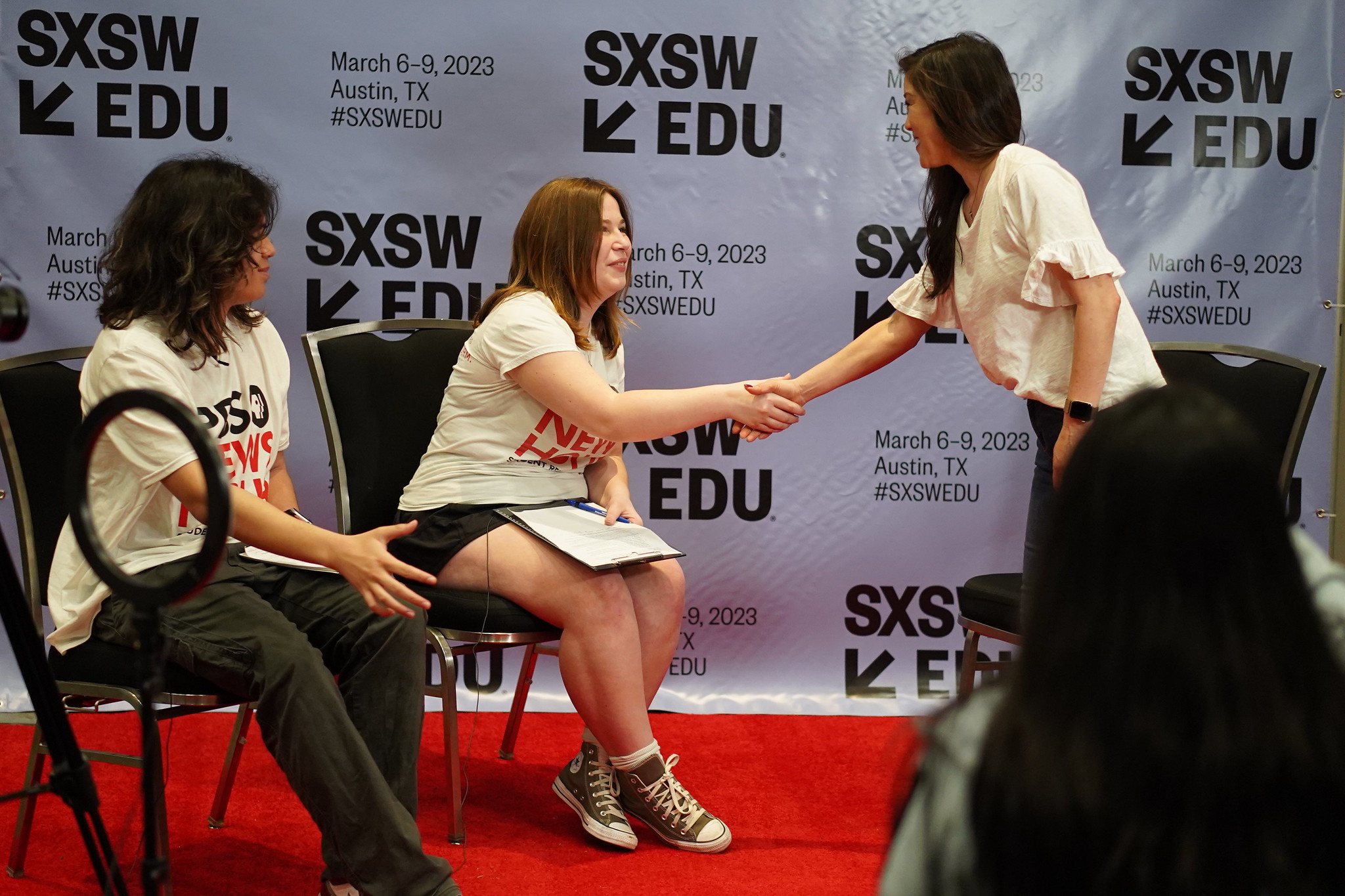
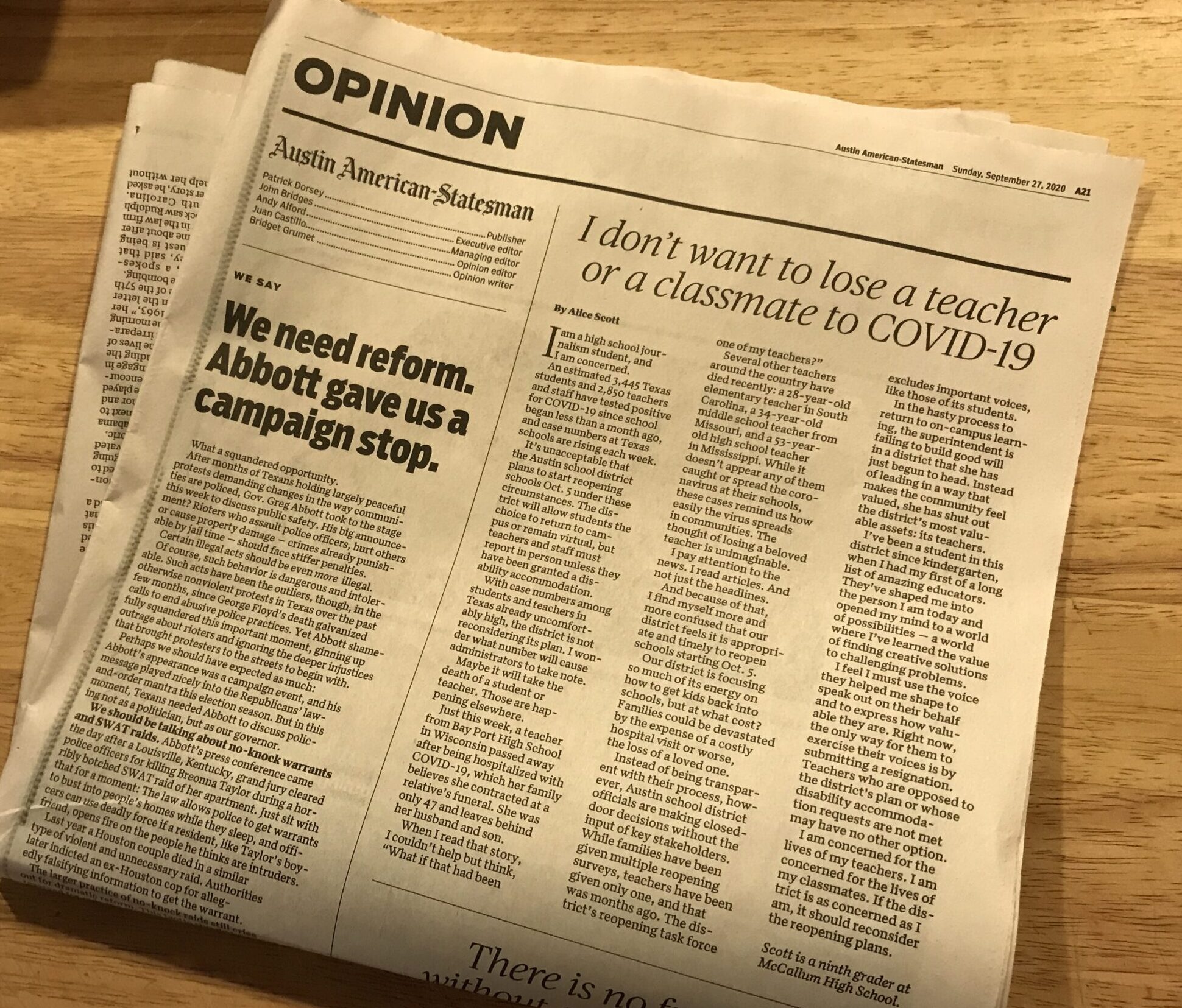
I’ve previously worked as an editorial intern at Texas Highways, the official travel magazine of my home state, and have had work featured in PBS NewsHour, the Austin American-American Statesman and the On Our Minds podcast.
What I cover
My belief in the power of storytelling has inspired me to explore the craft across media and genres. At The Daily Tar Heel, I cover everything from administrative policy to federal changes in higher education to student life. As the assistant university editor, it’s my responsibility to write breaking news, cover public meetings with the University’s governing board and interview top administrators.
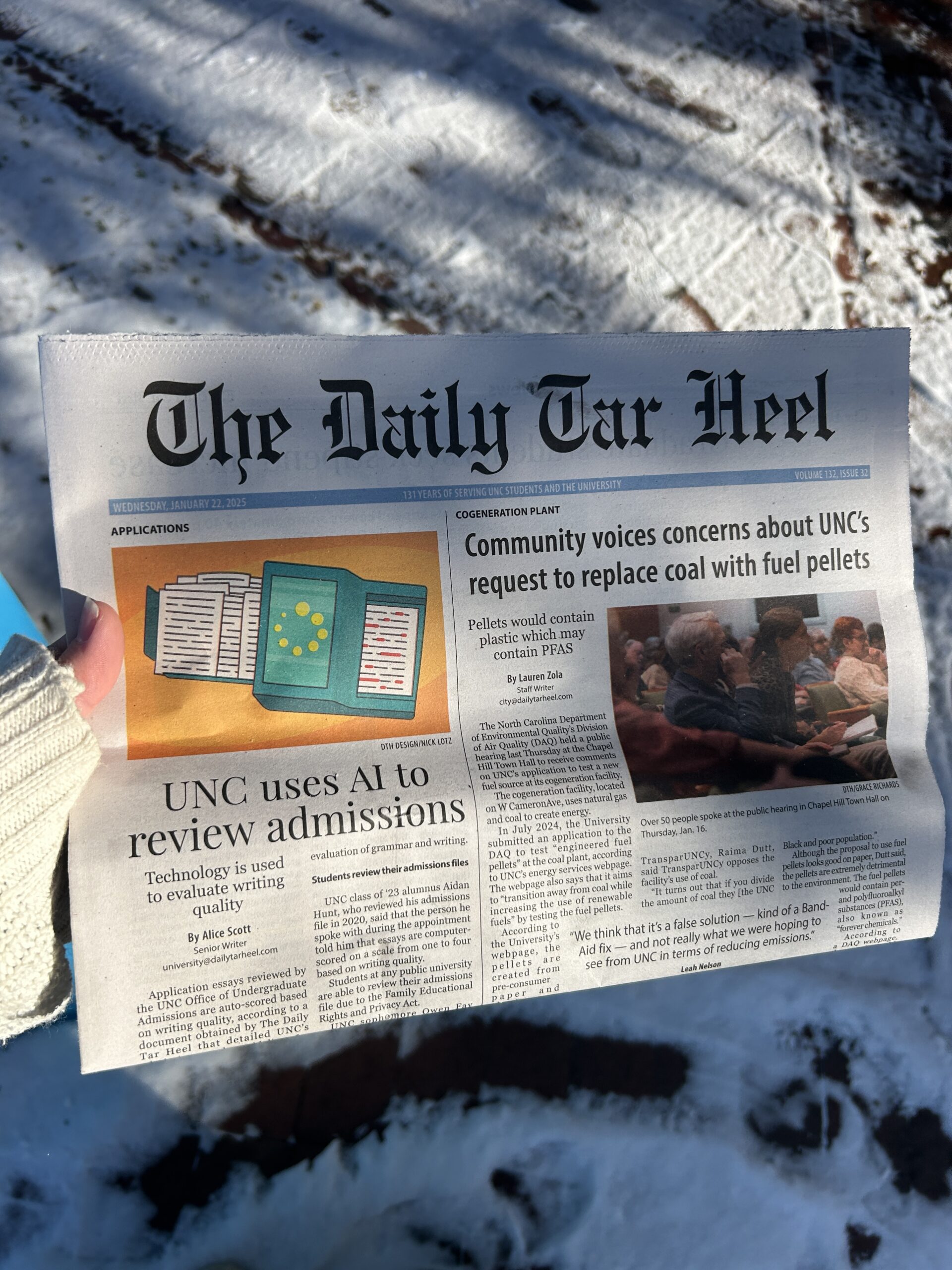
I’ve also explored the world of investigative journalism, learning to request public records when sources won’t talk and analyze data through platforms like R Studio when the numbers don’t add up. At The DTH, I uncovered the undergraduate admissions office’s use of AI in their application review process and administrators’ call to remove a student-created mural in the middle of the night without notifying the art department ahead of time. These stories received state and national attention, but more importantly, they gave students — those directly impacted by the University’s actions — important information that those in power were content to leave hidden.
That’s always been my goal as a journalist — to connect readers with the information they need most, with information that impacts them, that moves them.
But the big headlines, the breaking news stories or the exclusive investigations aren’t the only kind of stories that can have this effect. Some stories are about everyday life, and that is interesting enough.
That might mean sharing news that readers can use. Like when I wrote about travel destinations for Texas Highways or when I cover local happenings for Carolina Connection. Sometimes it means learning to tell stories in more accessible mediums like video or audio — two formats I’ve explored both in my classes and professionally. And sometimes it means telling the stories of seemingly “average” individuals, that might otherwise go untold.
Like when I talked to a North Texas man working to preserve the legacy of the state’s literary legend, Larry McMurtry. Or a beachcomber in Corpus Christi who’s used to digging up everything from severed doll heads to red mangrove seeds. Or the individuals who house purple martins ahead of migration season and would do anything to protect their birds.
These were people with stories to tell. As a journalist, I just have the privilege of sharing them in an impactful and meaningful way.
My Coursework
At UNC, I am pursuing a bachelor’s degree in media and journalism and a minor in creative writing, with a focus on creative nonfiction. Below includes a list of my completed and ongoing coursework in both disciplines.
Media and Journalism 141: Media Ethics
Media and Journalism 153: Writing and Reporting
Media and Journalism 121: Introduction to Digital Storytelling
English 138H: Introduction to Creative Nonfiction (honors)
English 204: Travel Writing
Media and Journalism 252: Audio Journalism
Media and Journalism 253: Public Affairs Reporting
Media and Journalism 340: Introduction to Media Law
Media and Journalism 346: Feature Writing
Media and Journalism 426: Audio Journalism for Radio and Podcasts
Media and Journalism 570: Data Driven Journalism
Press
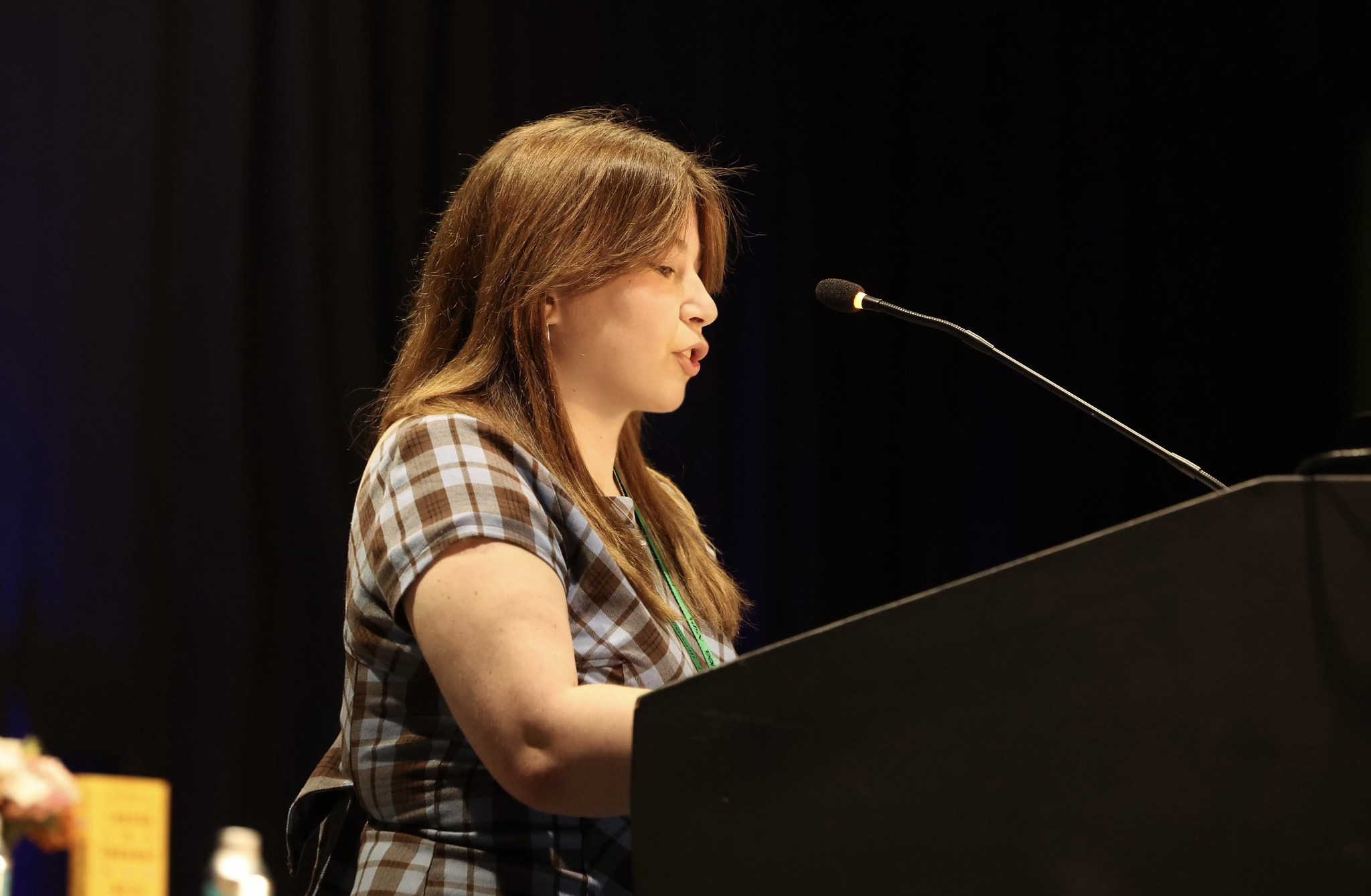
Transparency is one of the greatest responsibilities a journalist faces. As such, I’m always open to discussing my work with other members of the press. Below include includes some of my previous media appearances.